 @ 외주 턴키
2026Full-Stack
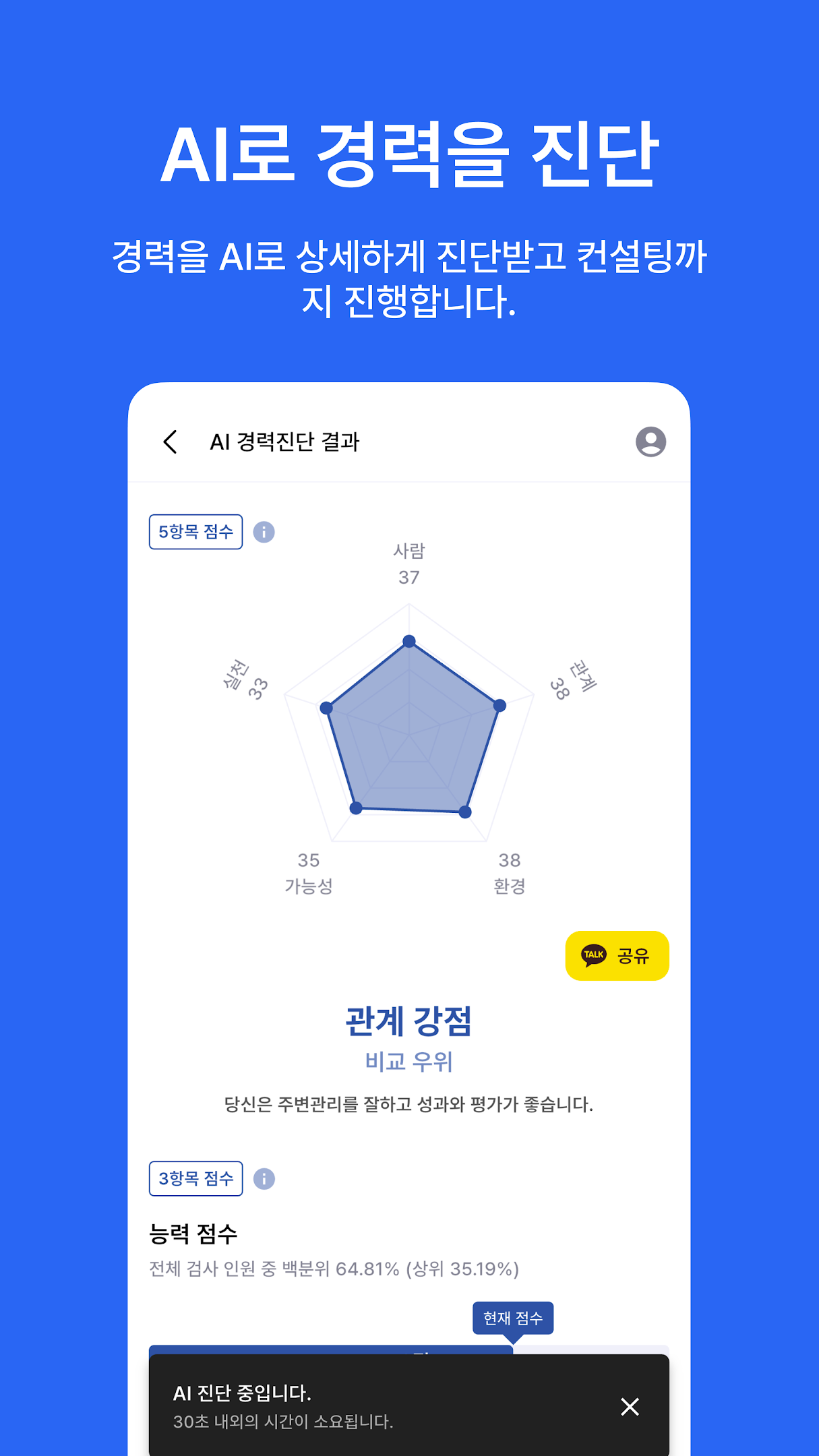
AI Career Diagnosis App for Retirees
MVP shipped in 2 months (solo full-stack). Validated: 4.6 on Google Play, 1,000+ downloads.
View details
"See for yourself" instead of "trust us" — trust was a structure, not a promise.
The reward did pull engagement in. Watch the ad, enter the draw, win the prize — a simple structure. But when I looked at early-launch user reactions, doubt followed every entry — "Is the prize real?", "Are they just harvesting my info?", "Is this just an ad and nothing else?" The bigger the reward, the bigger the doubt.
The answer was not to plaster "you really do win" in bigger type. Stronger promises only deepened the doubt. Trust only built on top of *a structure the user could see for themselves*. Carrying this from planning to launch as PO taught me that one thing.
Field notes
"Is the prize real?"
Even with the prize visible, if the drawing was hidden, users had no way to verify that the win was real.
"Are they just harvesting my info?"
Every time the entry form asked for data, the user wondered: "why are they collecting this?"
"Is this just an ad and nothing else?"
After watching the ad, if the connection from entry to reward was not visible, users felt like the ad used them and the experience ended.
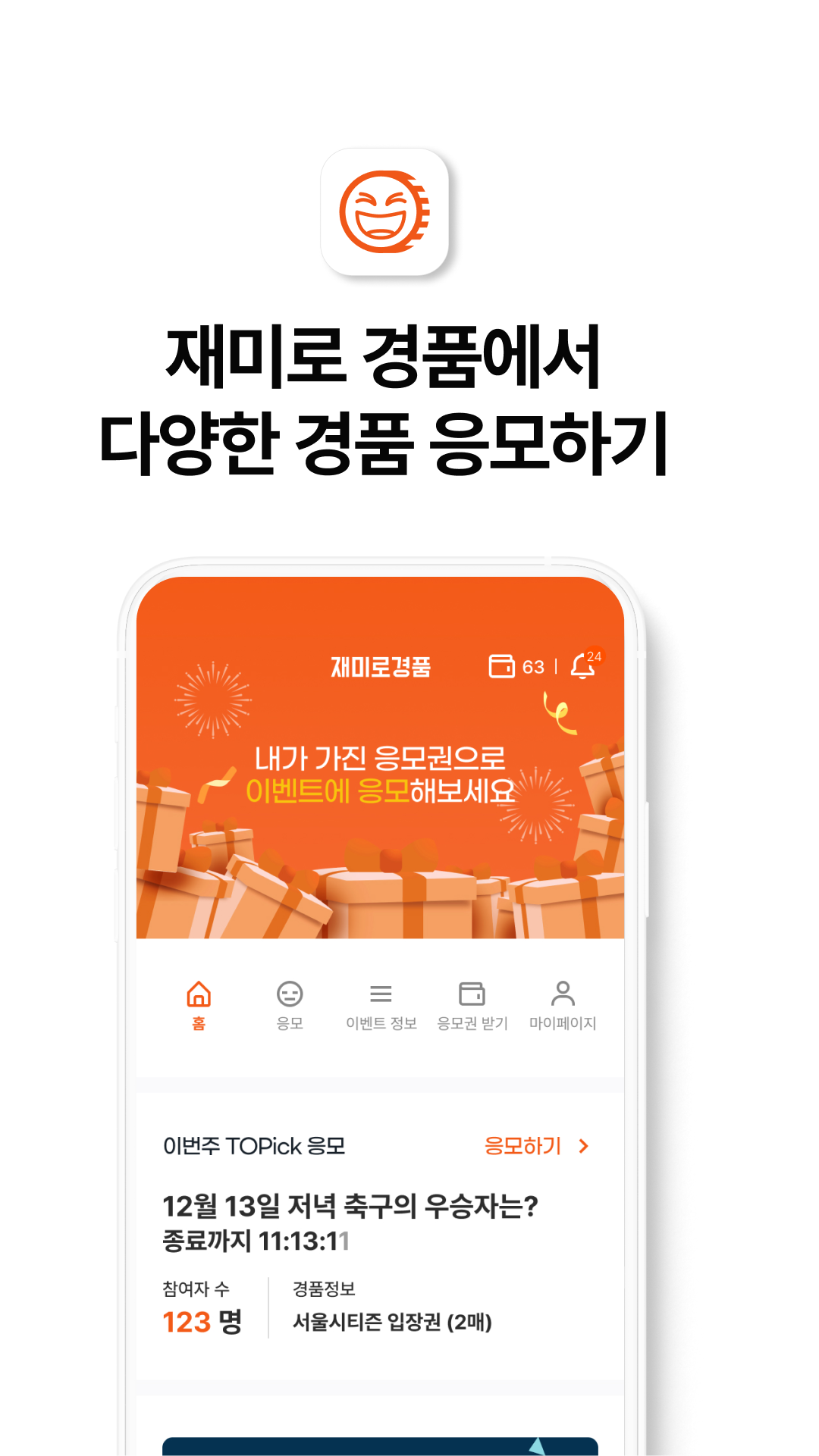
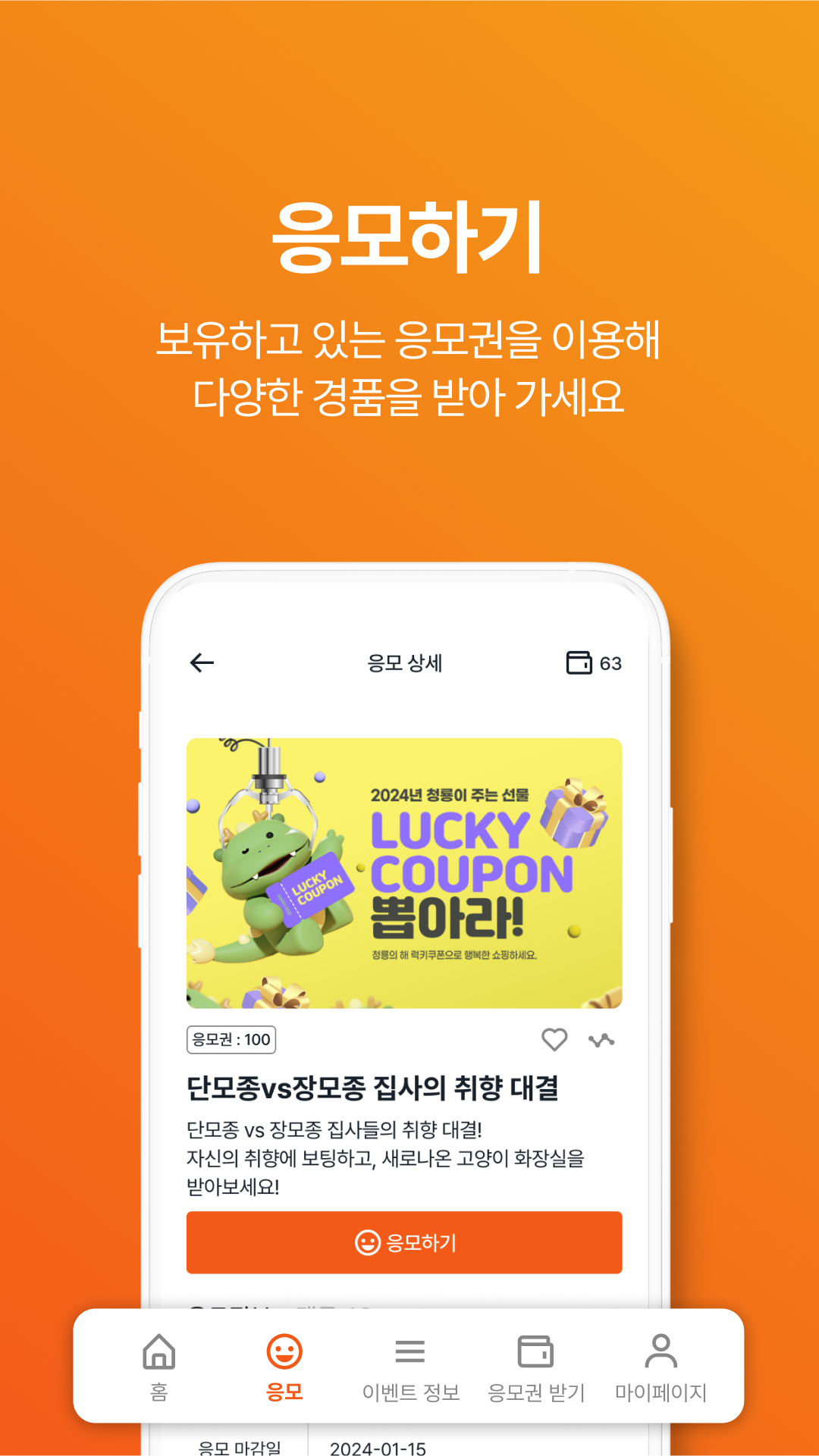
The answer to "is the prize real?" was letting users watch the drawing actually happen. Surfaced entry status in real time so users could see exactly where their own entry landed.
tradeoffExposing data vs. making trust visible
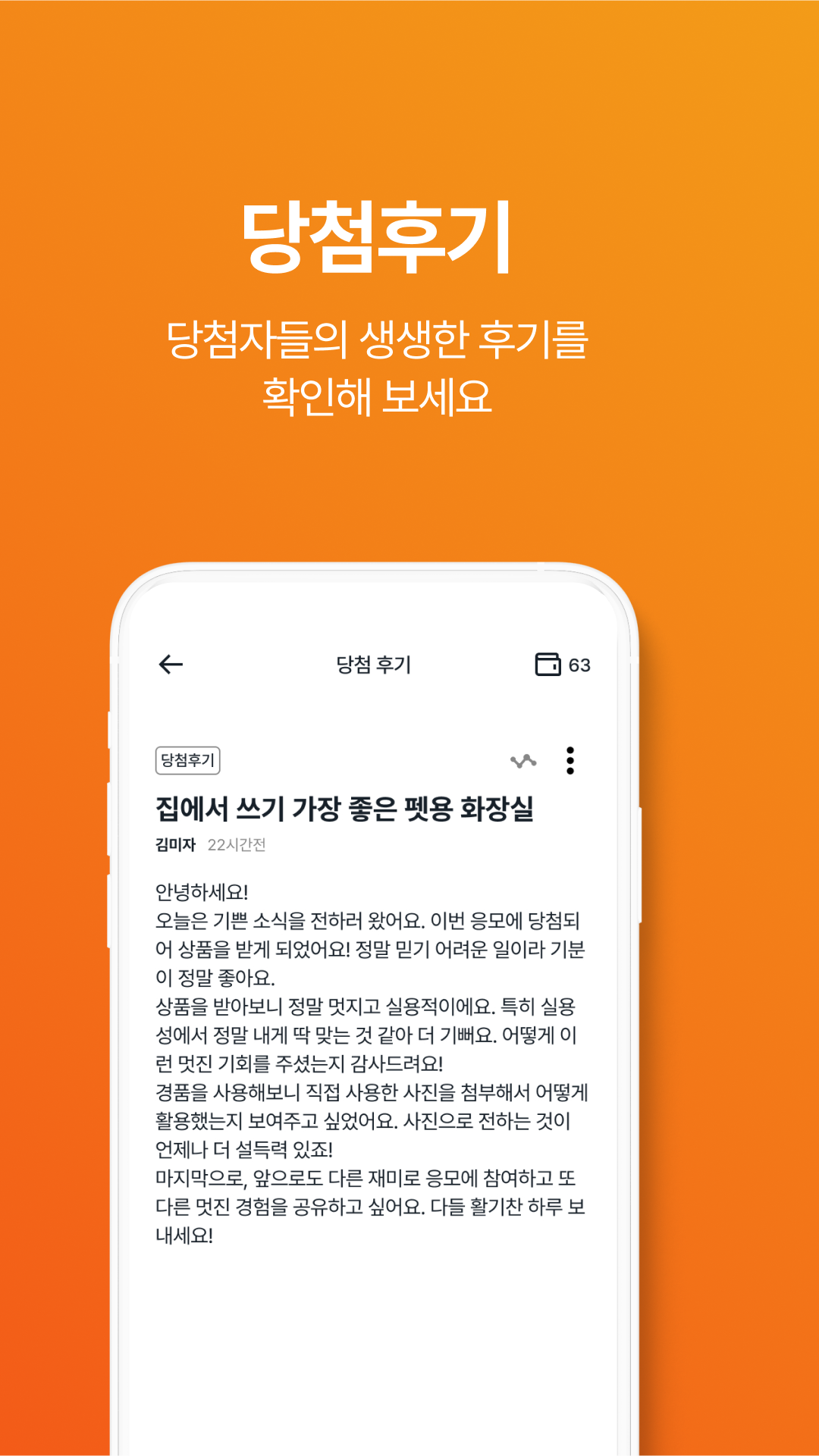
Verification photos made the existence of winners visible. "There really are winners" became visible proof, which pulled the next round of entries in. As a side effect, the photos themselves became marketing assets.
Folded ad → entry → win → shipping into one flow inside the system. Blocked the "ad only" doubt structurally — showed in one continuous flow that entries lead to a real delivery.
Stripped the promise-style copy ("you really do win") off the page and replaced it with data the user could verify directly. Trust came from how verifiable it was, not from how loud the promise was.
Ad engagement rate
20%+
Reached during the early launch period
Marketing asset
Winner verification photos
Naturally user-generated content
Copy policy
"Trust us" → "See for yourself"
Verifiability instead of a promise
Ownership
3 months, 3-person team, PO
Solo ownership from planning to launch
“Design around rewards alone and engagement shows up; trust does not.”
Named the real problem behind sweepstakes-app engagement: the doubt that follows every entry — a trust gap.
Built trust as UX structure rather than copy: live entry counts, winner verification, shipping receipts, and a copy policy that swaps promises for proof.
Ad engagement above 20%; winner photos became marketing assets on their own — solo PO + full-stack ownership.
What happens when product, design, dev, and ops all run through one pair of hands.
More work